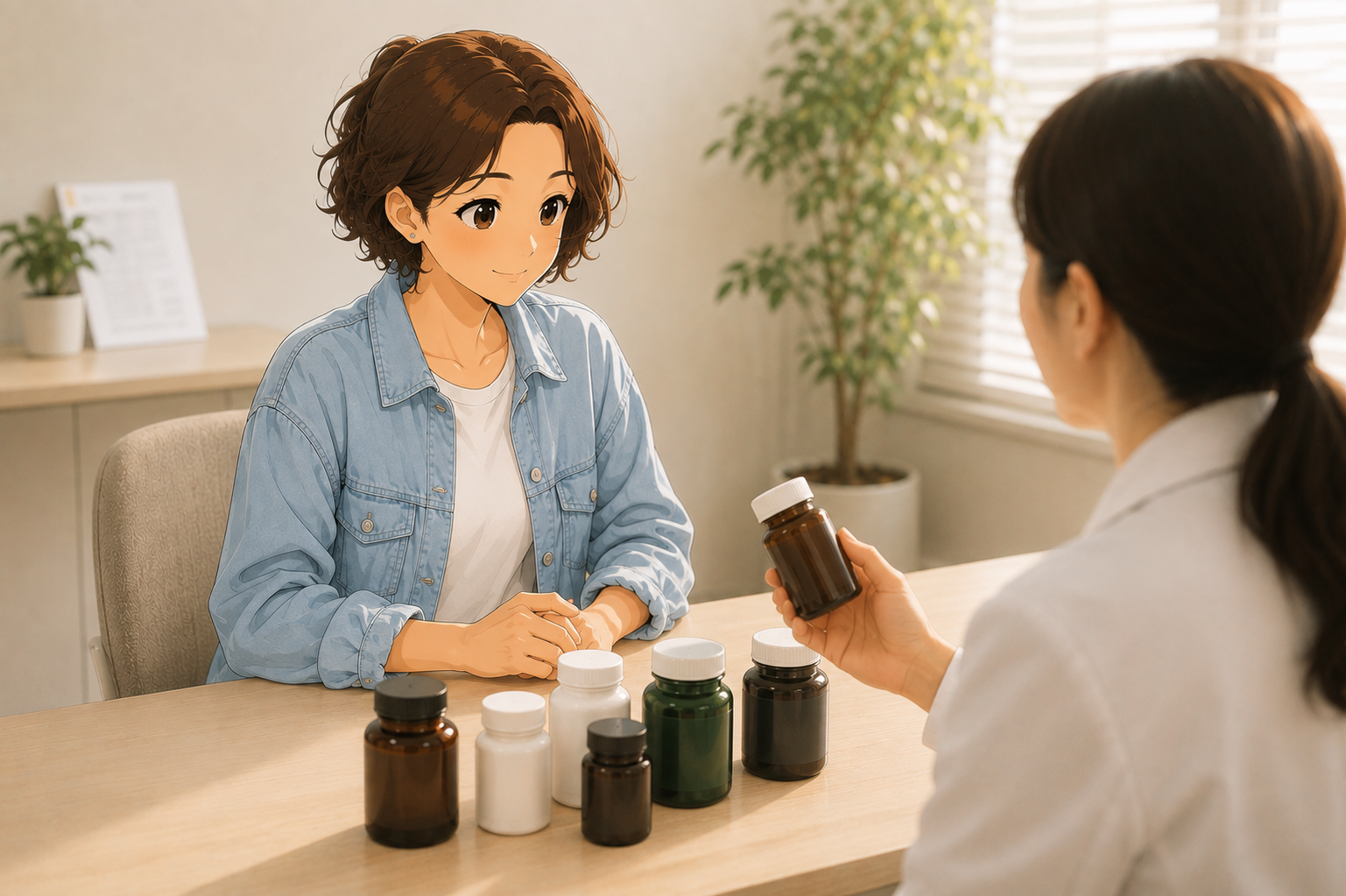
“Natural Means Safe.” This assumption is the quiet foundation under a lot of supplement decisions. It rarely gets stated outright, which is part of why it goes unexamined.
The clearest evidence against it comes from liver clinics.
The number
The US Drug-Induced Liver Injury Network has prospectively enrolled cases since 2004.
The proportion of liver injury attributed to supplements more than tripled between 2004 and 2013 — from 7% to 20% of all drug-induced liver injury cases[1].
Twenty percent. One in five cases of drug-induced liver injury now comes from products that aren’t drugs.
The implicated list is not obscure: turmeric, green tea extract, kava, black cohosh, usnic acid[1], plus ashwagandha, kratom, garcinia cambogia and multi-ingredient formulations[2].
Turmeric deserves its own line. It’s widely viewed as anti-inflammatory and hepatoprotective — and reports of turmeric-induced liver injury, often with autoimmune features, have appeared in the literature and in national surveillance databases[1].
A supplement believed to protect the liver, appearing in a registry of liver injuries.
Four reasons the assumption fails
The evidence points to distinct mechanisms rather than one general problem.
- Natural compounds are pharmacologically active. That’s why they’re taken. As covered in the red yeast rice post, monacolin K in lactone form is identical to lovastatin, a prescription statin. Being plant-derived changed nothing about what it does.
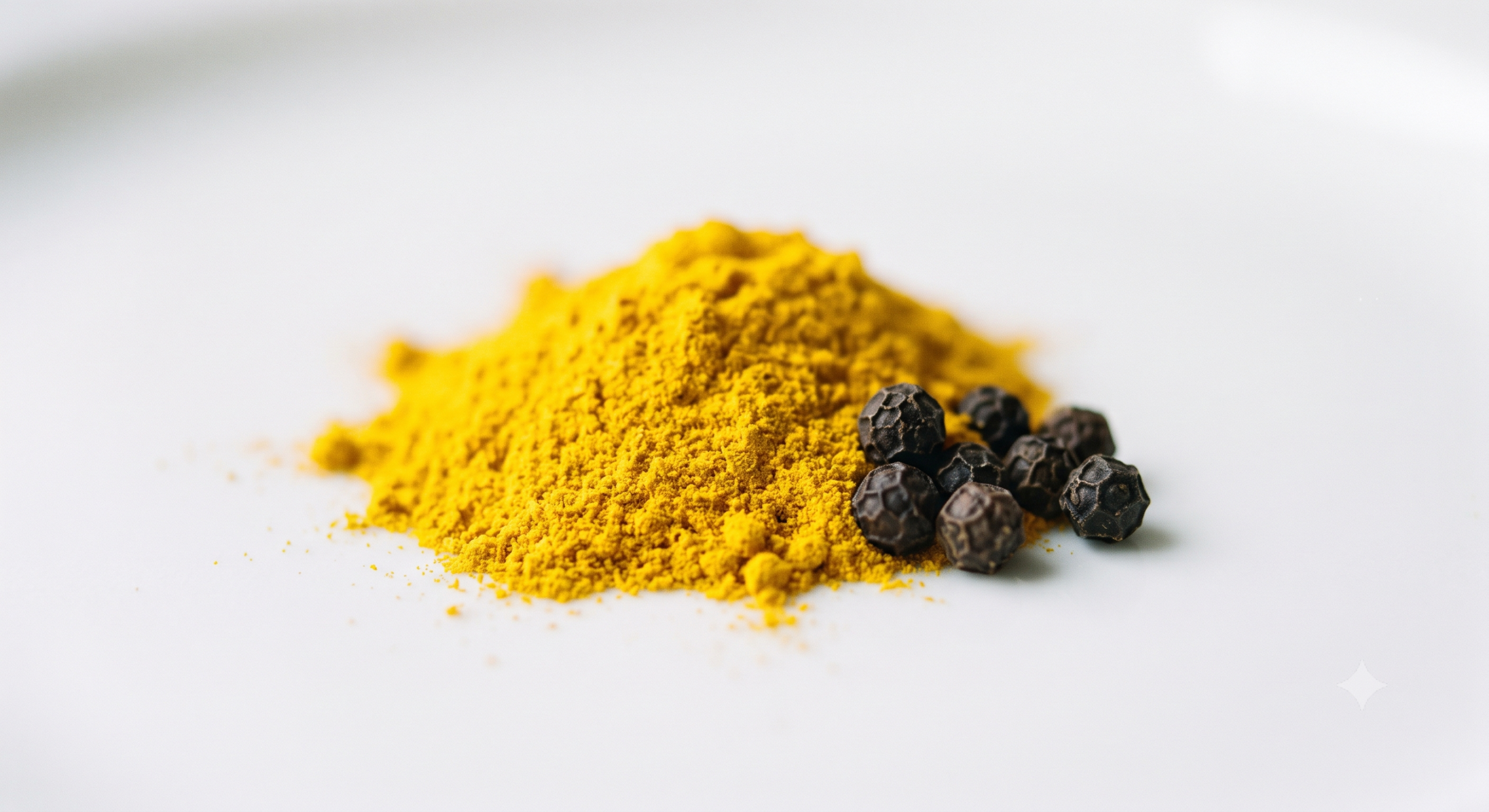
- Concentration isn’t natural. Culinary turmeric and a concentrated curcumin extract are different exposures. The DILIN turmeric series noted that only 20 mg of piperine taken with turmeric increases its bioavailability 20-fold in serum, and that this enhanced bioavailability could conceivably potentiate liver injury[3].
Black pepper extract is added specifically to increase absorption. It works — including for the effects nobody wanted.
- Susceptibility varies genetically. This is the finding that most undermines “safe for everyone.”
**HLA-B*35:01 was identified in 72% of patients with green tea-related liver injury, and in over 90% of those where the injury was categorised as highly probable or certain[2]. The allele is present in 5–15% of US populations**[2].
And it isn’t specific to green tea. 7 of 10 turmeric hepatotoxicity cases carried the same allele[3], which has also been implicated in garcinia cambogia and *Polygonum multiflorum* injury.
Researchers describe a common susceptibility link in carriers, making them sensitive to multiple polyphenols[3].
So the same product is genuinely low-risk for most people and genuinely dangerous for a minority — who have no way of knowing which group they’re in.
- Composition varies and products get adulterated. Multi-ingredient products from major retailers have been implicated, occasionally due to contamination with undeclared pharmaceuticals or adulterants[1].
As covered in the Korean regulatory posts, the 2015 백수오 case demonstrated this domestically — a different plant substituted for the labelled one, detected in health functional foods, agricultural product, and four of five medicines containing it.
Stacking
One behaviour deserves separate mention because the myth directly enables it.
A hepatologist describes the pattern: “Patients stack these polyphenols. They take Garcinia cambogia, then turmeric, plus green tea, then another compound with multiple ingredients”[4].
If each product is assumed safe because it’s natural, there’s no reason not to combine them. The assumption removes the brake.
And the same clinician adds the uncomfortable part: some individuals may develop hepatotoxicity even at lower doses. “We really do not know what the safe threshold is, and who will get toxicity”[4].
That’s the honest state of knowledge — from someone who studies it.
The regulatory asymmetry
There’s a structural reason this pattern persists.
Supplements are regulated as food products rather than pharmaceuticals, and therefore are not subject to the rigorous premarket safety and efficacy standards applied to prescription drugs[5].
Which produces an inversion worth stating plainly.
A prescription drug’s long side effect list exists because someone systematically looked for those effects. A supplement’s short list often exists because nobody was required to look.
As covered in the red yeast rice post, efficacy trials under six months with fewer than 100 people per arm cannot detect harm occurring in 1 in 1,000. Safety signals for supplements typically arrive through post-marketing surveillance — which is to say, after people are harmed.
| Prescription drug | Supplement | |
| Premarket safety review | Required | Not required at the same standard |
| Adverse effects documented | Systematically | Largely post-marketing |
| Composition verified | Required | Variable |
| Long side effect list means | It was studied | — |
| Short side effect list means | Genuinely low risk | Possibly unstudied |
[Table 1] What each category’s safety record reflects · Source: Compilation of relevant literature[1][5]
The practical version
Tell your clinician what you take. The hepatologist’s own recommendation: “Patients are often not disclosing what herbal and dietary supplements they’re taking, so physicians should actually ask about that, especially when dealing with abnormal liver enzymes”[4].
If physicians have to be reminded to ask, patients can volunteer.
Treat concentrated extracts differently from foods. Turmeric in curry and a high-dose curcumin extract with piperine are not the same exposure.
Be cautious about stacking. Multiple products with overlapping ingredients compound exposure in ways no trial tested.
Know the warning signs. Unusual fatigue, nausea, abdominal pain, dark urine, or yellowing of skin or eyes warrant stopping and seeking assessment. Liver injury is often silent until it isn’t.
And note what “natural” doesn’t tell you. It says nothing about dose, concentration, purity, interaction, or your individual susceptibility — which are the variables that actually determine risk.
If you’re in Korea
Two points from earlier posts apply directly.
The health functional food mark means an ingredient was reviewed for functionality and safety — that’s real, and more than many jurisdictions require. But as covered in the mark post, it doesn’t account for what else you’re taking or for individual susceptibility.
And the 백수오 case showed the limit. Contamination reached agricultural product and medicines alike. Safety turned out to be a question of supply chain management rather than of category.
Closing
The assumption isn’t foolish. Natural products have long histories of use, and most are consumed without incident. The DILIN turmeric paper notes it directly: turmeric has a long history of safe use in traditional medicine, and as a culinary ingredient[3].
But that history is about turmeric in food — not a concentrated extract with an absorption enhancer, taken daily, alongside three other polyphenol products.
The genetic finding is what settles it. If 72% of green tea liver injury cases carry an allele present in 5–15% of the population, then safety isn’t a property of the substance at all. It’s a relationship between a substance, a dose, and a person.
“Natural” describes where something came from. It doesn’t describe any of the variables that determine whether it will harm you.
A hepatologist’s summary is the shortest version: “The message is that not all natural things are safe.”
Key Terms
- Drug-induced liver injury (DILI) — liver damage caused by a medication or supplement.
- HLA allele — a variant of a gene involved in immune recognition; certain variants raise susceptibility to specific drug reactions.
- Idiosyncratic reaction — an adverse reaction occurring unpredictably in a small number of people, not dose-dependent in the usual way.
- Bioavailability — how much of a substance reaches the bloodstream.
- Piperine — black pepper extract, added to increase absorption of other compounds.
- Stacking — taking several supplements with overlapping effects at the same time.
- 백수오 — the root of the Wilford’s swallow-wort
At a Glance
- Supplement-attributed liver injury in DILIN more than tripled from 7% to 20% of all cases between 2004 and 2013
- Implicated products include turmeric, green tea extract, kava, black cohosh, ashwagandha, garcinia cambogia
- Turmeric is widely viewed as hepatoprotective yet appears in injury registries
- 20 mg of piperine increases turmeric bioavailability 20-fold — enhancing absorption of everything, including harm
- HLA-B*35:01 was found in 7 of green tea liver injury cases, and in 7 of 10 turmeric cases; the allele is present in 5–15%** of populations
- Clinicians report “we really do not know what the safe threshold is, and who will get toxicity”
- Supplements are regulated as food, not pharmaceuticals — a short side effect list may mean nobody looked
- Stacking multiple polyphenol products compounds exposure in ways no trial tested
※ This article is for general information and does not replace medical advice, diagnosis or treatment. Tell your clinician about all supplements you take, particularly if liver enzyme results are abnormal. Unexplained fatigue, nausea, abdominal pain, dark urine, or yellowing of the skin or eyes warrants stopping the supplement and seeking prompt medical assessment. Do not stop prescribed medication on your own.
References
- “‘Natural’ Isn’t Safe: Reframing Herbal-Induced Liver Injury”, Medscape (DILIN 7% to 20% figure; implicated products; turmeric perception; adulteration), https://www.medscape.com/viewarticle/natural-isnt-always-safe-reframing-herbal-induced-liver-2025a1000ltj
- “Challenges in herbal-induced liver injury identification and prevention”, Liver International (HLA-B*35:01 prevalence and association figures; implicated agents), https://onlinelibrary.wiley.com/doi/full/10.1111/liv.16071
- “Liver Injury Associated with Turmeric — A Growing Problem: Ten Cases from the Drug-Induced Liver Injury Network”, The American Journal of Medicine (piperine bioavailability; 7 of 10 HLA carriage; history of safe culinary use), https://www.amjmed.com/article/S0002-9343(22)00740-9/fulltext
- “Natural Supplements Linked to Rising Cases of Serious Liver Injury”, Medscape (stacking behaviour; unknown safe threshold; disclosure recommendation), https://www.medscape.com/viewarticle/natural-supplements-linked-rising-cases-serious-liver-injury-2026a1000hv8
- “Hepatotoxicity of Herbal and Dietary Supplements: A Review of Diagnosis, Histologic Features, and Common Culprits”, MDPI (regulatory asymmetry; composition variability; CYP interactions), https://www.mdpi.com/2673-4389/5/3/42