Astaxanthin and Eye Fatigue

A woman at a desk leaning back from a laptop to look toward a bright window

Astaxanthin has an unusually specific claim attached to it. Not “eye health” broadly, but a particular function — the eye’s ability to shift focus. The mechanism is plausible and the trials are consistently positive. The question worth asking is how much research that consistency rests on.   What the claim is about Eye fatigue is … Read more

Menopausal Brain Fog

A woman at a desk pausing mid-thought with one hand near her temple, an open notebook in front of her

Forgetting a name mid-sentence at fifty(Menopausal Brain Fog) is frightening in a way it wasn’t at thirty. The fear usually isn’t about the word — it’s about what the word might mean. The research on this is unusually reassuring, and specific enough to be useful.   It’s measurable, not imagined The first thing worth knowing … Read more

Menopause and Dry Eye

A woman at a desk pausing to close her eyes with her chin resting on one hand

Menopause and dry eye are connected, and the obvious explanation — oestrogen falls, eyes get dry, replacing oestrogen should help — turns out to be wrong in an instructive way. A study of more than 25,000 women found hormone therapy associated with more dry eye, not less.   How common Estimates vary considerably, which is … Read more

Ginkgo and Bleeding Risk

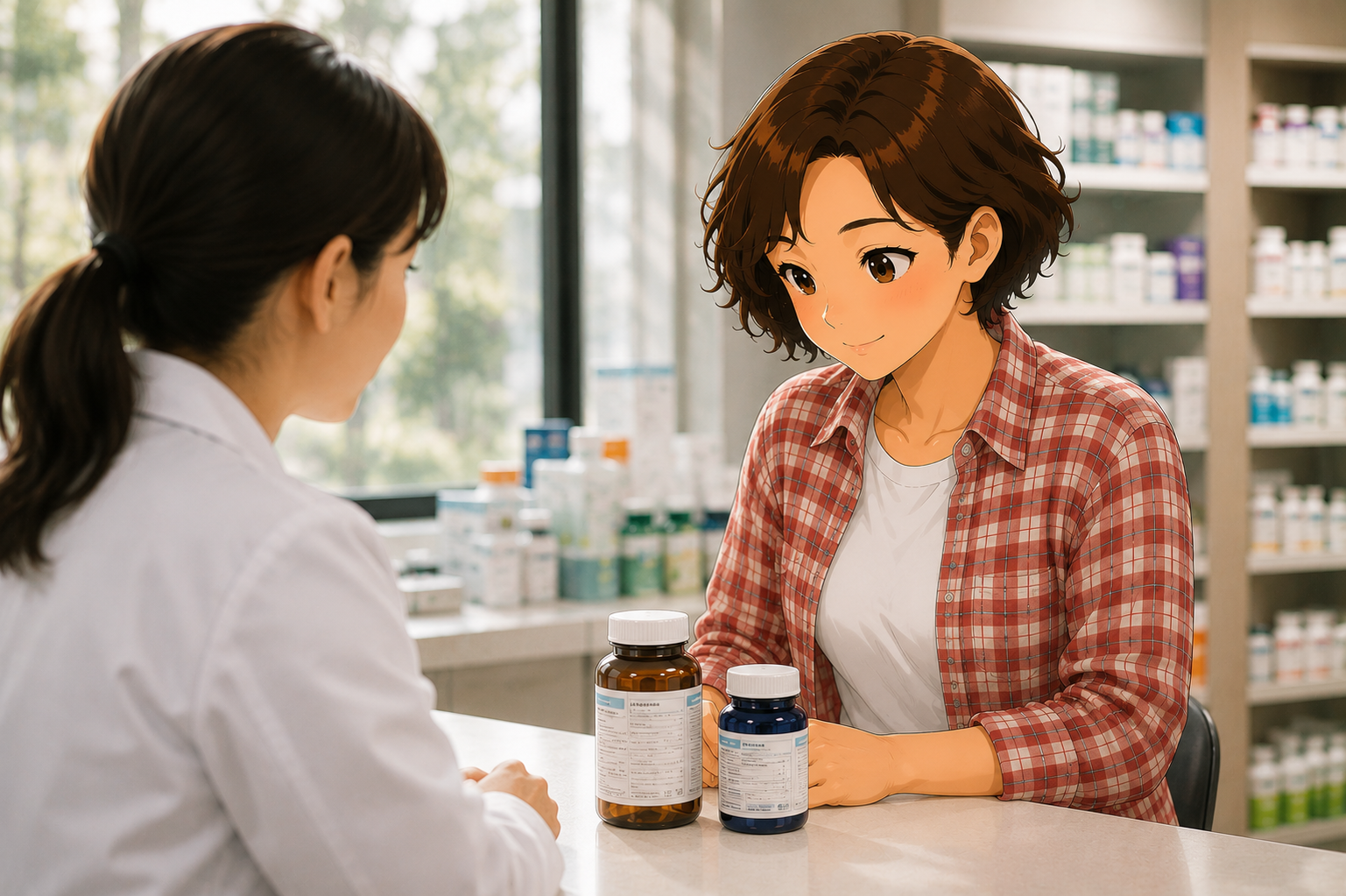
A woman placing two unlabelled supplement bottles on a consultation room desk

Ginkgo and bleeding risk is a case where two kinds of evidence point in opposite directions, and neither can be dismissed. Case reports describe serious haemorrhage. Randomised trials measuring coagulation find nothing. Working out what to do with that requires looking at what each kind of study can and cannot detect.   The mechanism is … Read more